
The Case for Putting Open-Weight Models on the Table
An open-weight model rarely even enters the conversation when a software company picks which AI model to call, because the default locks in before anyone thinks to ask. Here’s the business case for putting one on the table anyway.
Read article
The Function Your Product Team Is Missing
Three articles described the work an AI-enabled feature demands before anyone can write its requirements. This one names who should do it, and what to call it: not a hire, not a title, but a function most product organizations have not built yet.
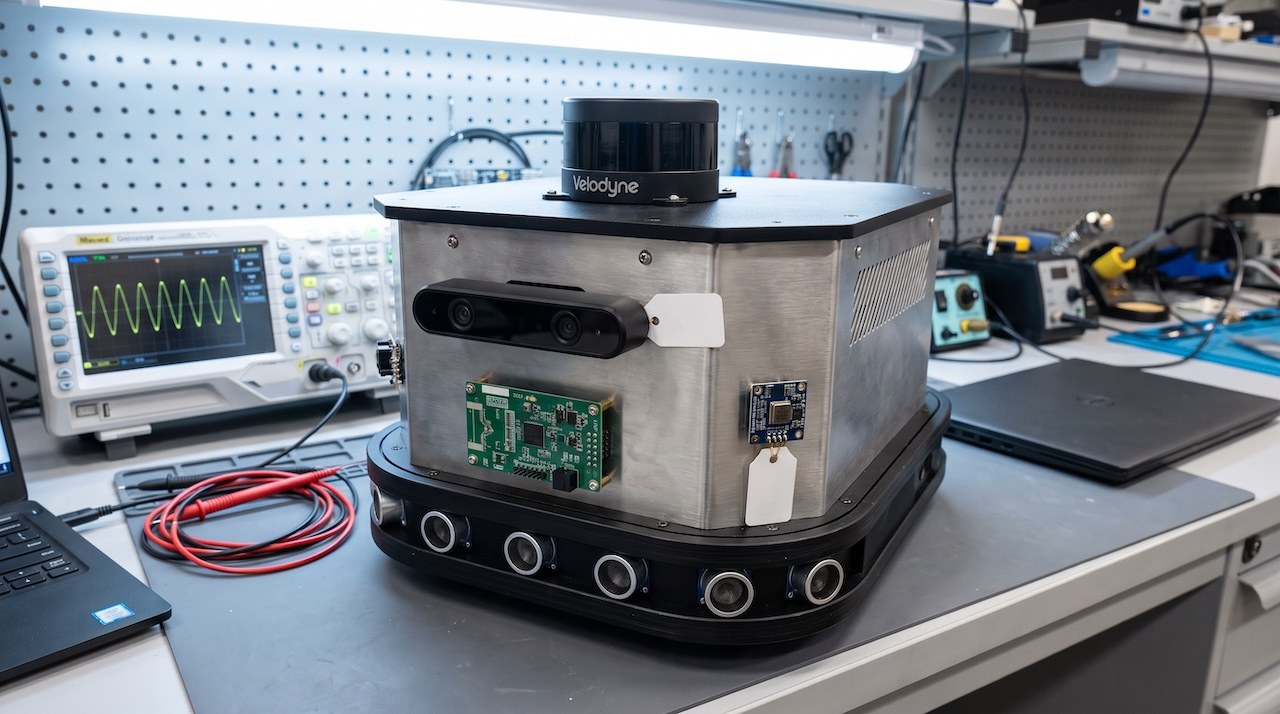
Specifying an AI Feature Takes a Process You Don’t Have
The rule that product owns the what and engineering owns the how has held for the whole history of software. An AI-dependent feature is the first thing to break it, and hiring alone won’t put it back together; the process itself has to change.

Owning the AI Quality Bar vs. Owning the Proof
Deciding whether a feature is good enough to ship has always been product’s call. With AI, answering it takes evidence most product teams have no way to produce, and the standoff that follows is nobody’s fault.

Four of Those Are Standard. One of Them Hovers.
Feature lists have always mixed the routine with the impossible. AI made that harder to sort out, and it broke the old assumption that anything on the list could be built at all.

LLM Text Watermarking: How Claude’s Works, and How to Apply It to Your Open-Source Model
Claude now watermarks every text it generates, and the EU AI Act requires the same of anyone serving a self-hosted open-source model. The mechanism, reproduced on a local model with measured numbers.

The Price of Keeping Your Data to Yourself Is Falling
Open models haven’t caught the frontier, but they’re a few months behind rather than a few years, and they run on hardware you control. For the large share of enterprise work that never needed frontier capability, that changes what keeping your data in-house actually costs.

Some Thoughts on AI Consciousness
Flight simulators chase airplanes, and we are the ones who decided which of the two is the real thing. Push that far enough and machine consciousness starts to look less like a metaphysics problem and more like a vocabulary problem.

AI Governance Is a Requirements Problem. Treat It Like One.
Most enterprise AI governance frameworks describe the goal without specifying the work. Here’s what it actually takes to turn “human oversight” from a compliance posture into something that holds up in practice.

Human-in-the-Loop Was Never a Design Spec. It Was a Prayer.
“Keep a human in the loop” has become enterprise AI’s default safety answer. New research suggests that without a real design behind it, that answer may be making oversight worse, not better.
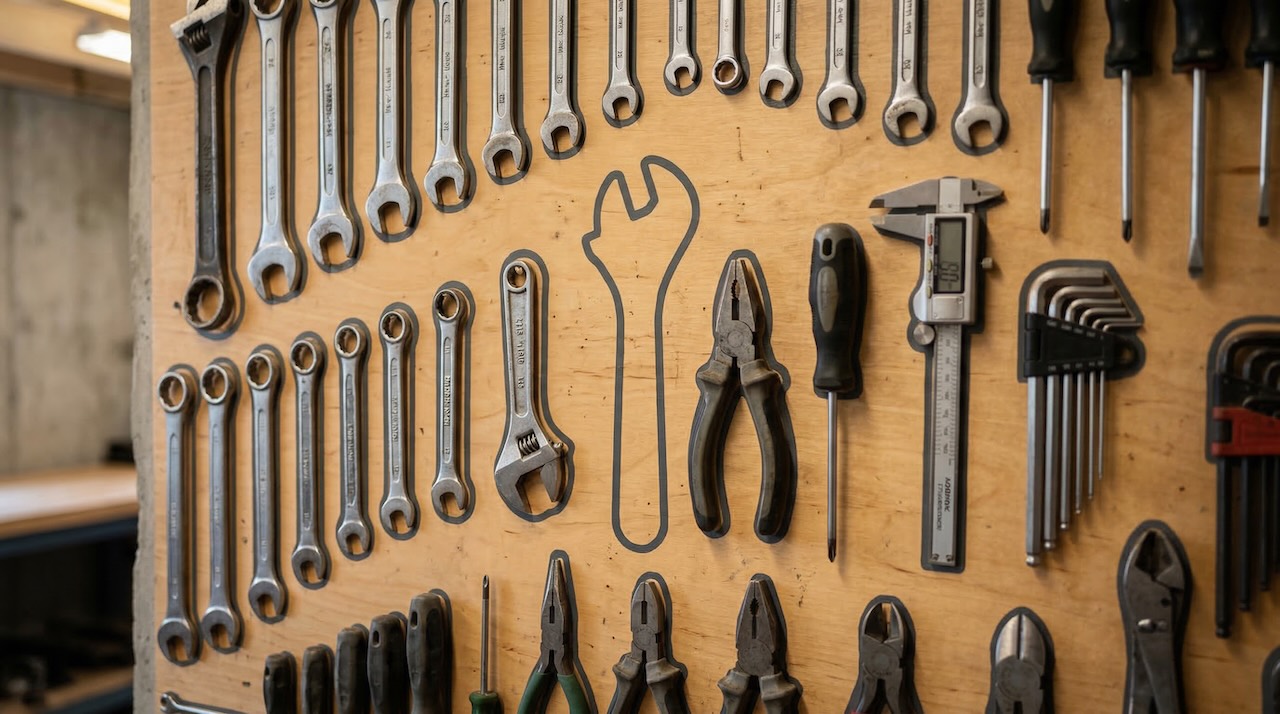
The Open Model Problem Isn't the Model
MIT Sloan finds 46% of enterprises stall on open AI models due to integration complexity. The real barrier? Organizations haven't defined what they need the model to do.

Your AI Interface Is Training Users to Stop Thinking
Most AI interfaces are designed to deliver output, not to help users evaluate it. If your product presents AI-generated content without prompting users to engage critically, the interface itself is the problem.

Vertical-Specific Generative AI: Overcoming Challenges and Unlocking Industry Growth
How domain-specific AI implementations outperform generic solutions in regulated and complex industries, and what product teams need to know to get AI integration right.

Avoiding Information Overload from AI
AI-generated information can actually threaten your users' productivity. Thoughtful design of AI-enabled features can boost it instead.

OpenAI Has an Enterprise Perception Problem
OpenAI leads the generative AI race, but can they overcome enterprise security concerns and a rapidly evolving market?

Reimagining RISK: Considering Generative AI in ERM
Gen AI can augment Enterprise Risk Management through scenario generation, compliance alignment, and helping organizations identify risks they might not yet see.

Lost in the Hype: Unrealistic AI Demos Can Hinder User Adoption
Recent demos often showcase fantastical AI use cases, but for real user adoption, AI needs to solve genuine problems.
The Browser Wars Redux: Is a Mobile AI Battle Brewing?
As LLMs gain traction, the fight for mobile AI dominance heats up, with Android's Gemini integration potentially challenging OpenAI's lead.

GPT-4o AI Goes Free: A Training Boom and a Shift in Future Search Behavior
GPT-4o's free release fuels training data growth and a potential search behavior shift as AI and LLMs become more accessible.
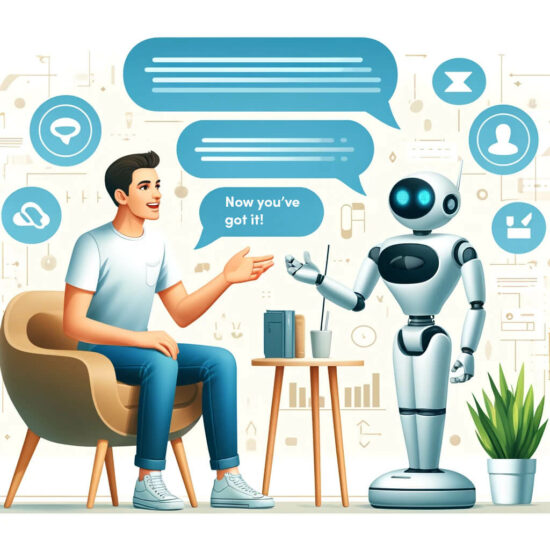
AI Unveils the Silent User: Getting Clarity to Produce Real Value
LLMs can revolutionize software by enabling AI-guided conversations to unveil user needs and gather clear input.

Bypassing Manual Data Hassles and Embracing AI with Human Oversight
LLMs are revolutionizing data handling by enabling AI-powered oversight of tasks like invoice processing.

AI Without the Chat Overload: A Smarter Way to Personalize User Experience
AI can personalize user experience by subtly adapting existing interfaces based on user behavior and preferences.

On the Horizon: UX Design in the Semiconductor Space
The emerging need for user experience design practice in the semiconductor industry.

Know Your Sources: AI and the Need to Validate Authenticity (Part 2)
The ubiquity of AI-generated content should hasten standards that establish source authenticity.

Know Your Sources: AI and the Need for Communicating Authenticity in UX
AI-generated content prompts UX designers to consider how users will learn to trust content as authentic.

Transformation of a Hardware EDA Solution to a SaaS
Migrating an installed, engineering-heavy software application to the cloud begins with foundational decisions.

User Story Generator: Using AI-Assist to Get Past Writer's Block
We created a free app to accelerate writing user stories and get past a blank screen.

The Value of User Stories When Building Your SaaS Product (Interview)
Audio interview with the SaaSClub podcast about the value of user stories to your product and business.

UX Design Isn't About Pretty Pictures
There's a common misconception that UX design makes screens look pretty. It's really about planning, requirements, and system design.

Semiconductor EDA: How Focusing on User Experience Opened Up a New Market
An open EDA project demonstrates how designing for users' experience opened up a new, unserved market.

Designing Modern Enterprise SaaS: Content Access Management
Content access management governs which content each user is given access to in a SaaS application.

Designing Modern Enterprise SaaS: Users and Access Management
Admitting users into the application and defining what they can do is the most common SaaS admin need.
Designing Modern Enterprise SaaS: An Introduction to Administration
The most prevalent administration capabilities found across nearly all SaaS products.

Shift-Left Testing Strategy: Involving Development and QA in Design
Involve development and QA earlier in the design process to identify issues before code is written.

Shift-Left Testing: A Requirements Approach
Shift-left testing starts with requirements. Clear, testable requirements reduce bugs and accelerate delivery.

Design Happens
Design happens whether you plan for it or not. The question is whether it happens intentionally or accidentally.

UX Mistakes Impact Your Brand, Even for Instagram
Even major platforms like Instagram can suffer when UX mistakes erode user trust and satisfaction.

What-If Scenarios and Empathy Matter in User Experience Design
What-if scenarios and empathy are essential tools for anticipating user needs and designing for real-world conditions.

Design Seamless Multi-Device UX for Communication with Azure Communication Services
Azure Communication Services opens new possibilities for designing seamless multi-device experiences.

Open Source Tools We Use to Work Remotely
A look at the open source tools our team uses to collaborate effectively while working remotely.

Anatomy of a User Story: BDD Scenarios
BDD scenarios add precision to user stories by defining expected behavior in a structured, testable format.

Anatomy of a User Story: Acceptance Criteria
Acceptance criteria define the conditions that must be met for a user story to be considered complete.

Anatomy of a User Story: The Narrative
The user story narrative establishes who needs a feature, what they need, and why.

What Is Dev-Ready UX? (Part 2)
The deliverables and processes that make UX design truly ready for development handoff.

What Is Dev-Ready UX? (Part 1)
Dev-ready UX bridges the gap between design and development by creating specifications developers can implement directly.